Report: Presentation at the Japan Society for Aeronautical and Space Sciences Joint Conference 2025
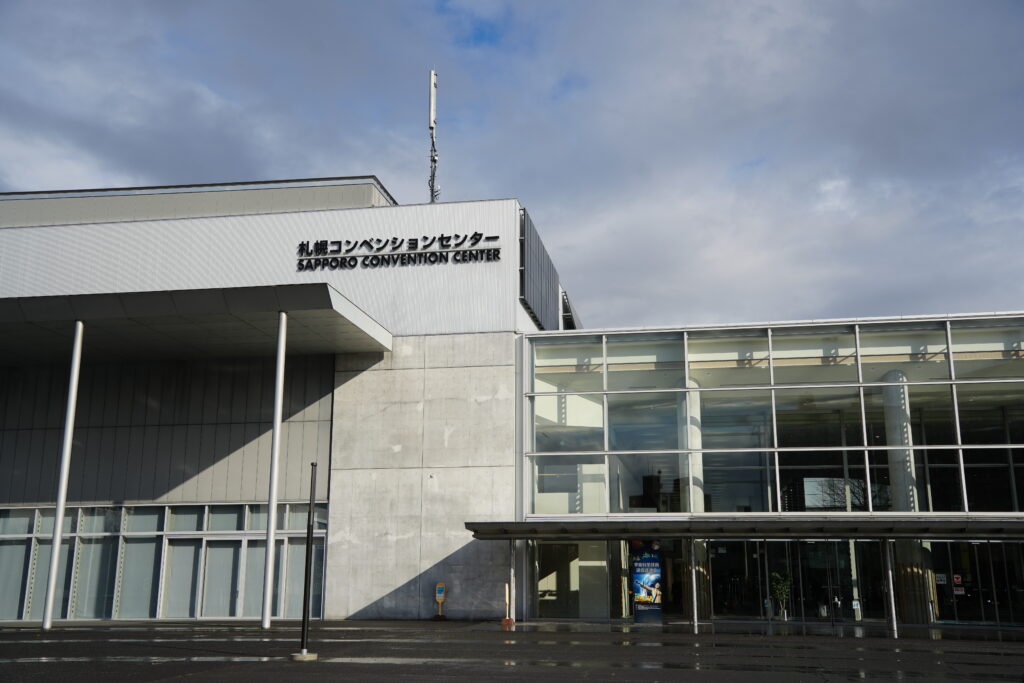
On November 25, 2025, Euglena Co., Ltd. presented its latest research on sustainable life-support biotechnology at the 69th Japan Society for Aeronautical and Space Sciences Joint Conference. The presentation, titled “Potential Utilization of Microalgae on the Lunar Surface,” was delivered by Dr. Kengo Suzuki, Yoshihiro Naka, and Kouji Yamada.
Advancing Sustainable Food Production Systems for Lunar Habitation
Long-duration human habitation on the Moon requires highly efficient and self-contained food production and resource-recycling systems. Euglena Co., Ltd. has been developing technologies using microalgae such as Euglena and cyanobacteria to regenerate oxygen and convert metabolic waste into nutritional biomass, contributing to closed-loop resource cycling ecosystems for future lunar missions.
The research builds on Japan’s Stardust Program and Space Food Sphere initiatives, which aim to realize on-site bioregenerative food supply systems where CO₂ is recycled into oxygen and edible nutrients.
Onboard Culture Experiment Module: “LunaGlena Payload”
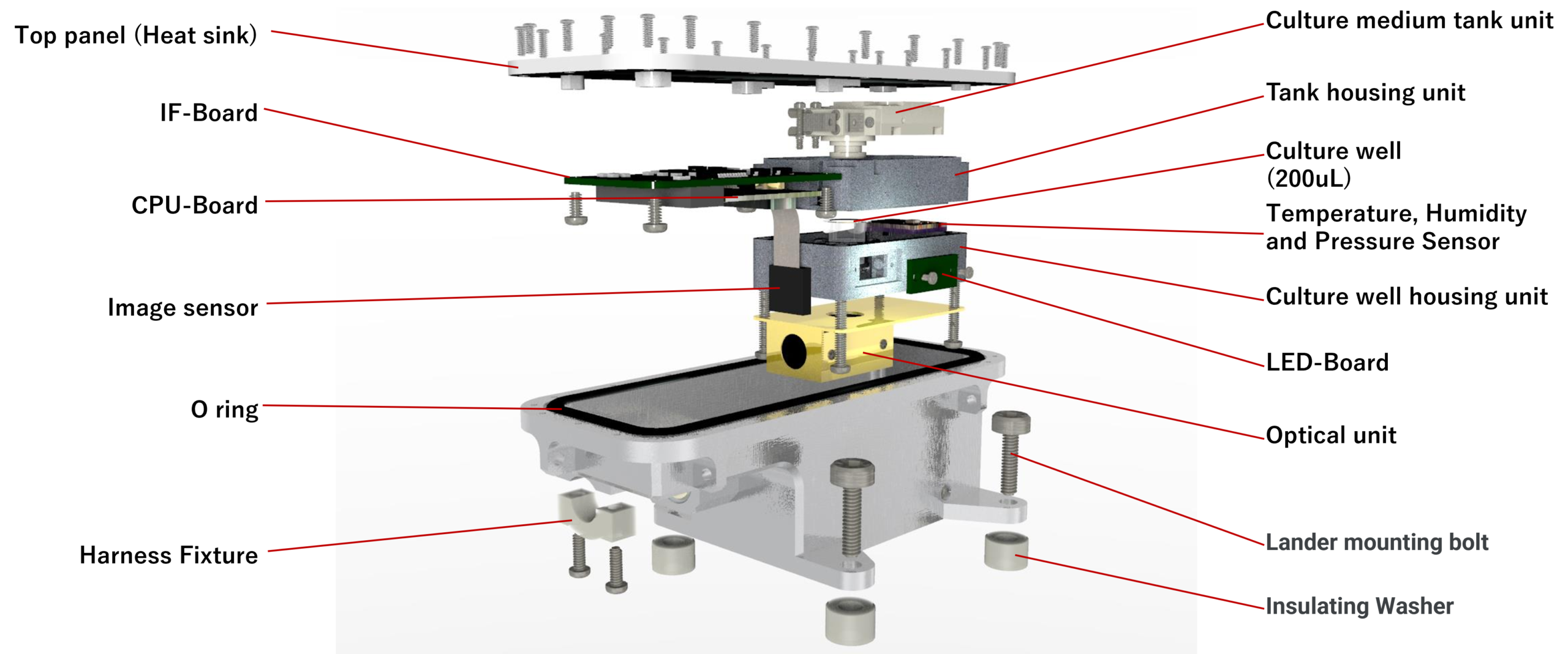
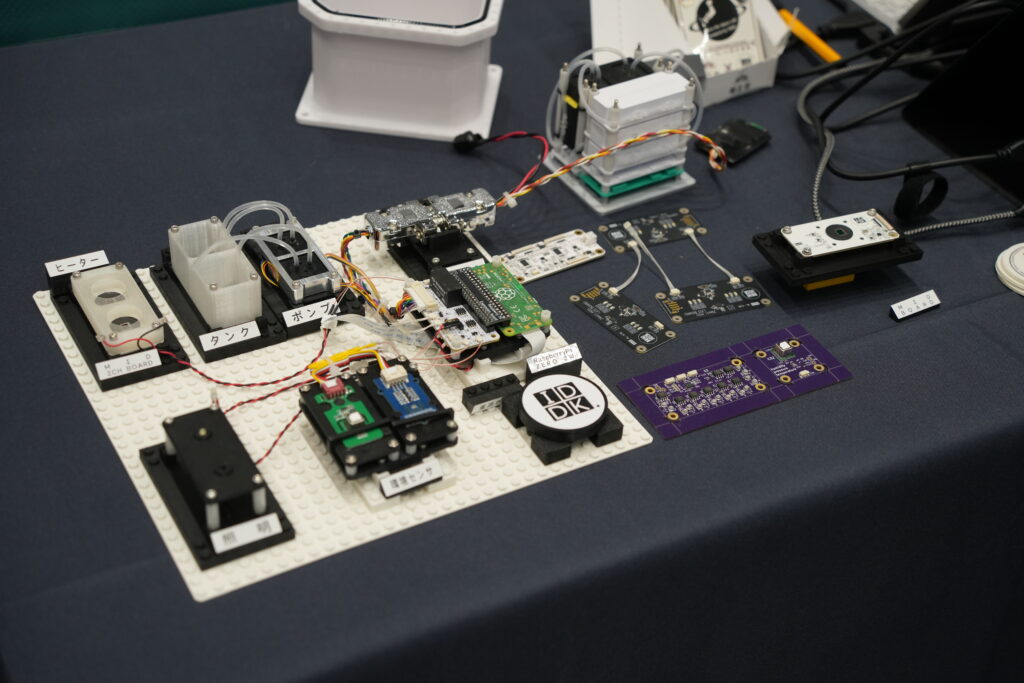
The team introduced a fully integrated microalgae cultivation module, called LunaGlena Payload, equipped with a culture tank, LED illumination, environmental sensors, and an onboard imaging system. The payload is designed to operate autonomously within commercial lunar landers and weighs less than 100 grams, enabling deployment under stringent mass and safety requirements.
Cyanobacteria Growth Experiment for Lunar Missions
Using Nostoc commune (Ishikurage), a cyanobacterium known for its resilience in extreme environments, the researchers successfully demonstrated biomass growth equivalent to a 12-day lunar surface mission timeline in ground-based simulations. This validated its potential for oxygen regeneration and food production under lunar environmental constraints.
In preparation for spaceflight, the payload underwent rigorous vibration, shock, thermal vacuum, and temperature cycling tests, confirming stability and survivability against launch and lunar surface conditions.
Toward Bio-Sustainable Lunar Living
Euglena’s biotechnology positions microalgae as a critical component of future lunar biomanufacturing, turning astronaut waste streams into oxygen, water reclamation, and nutrient-rich food. These advancements contribute to Japan’s goal of establishing sustainable human presence beyond Earth and demonstrate the feasibility of deploying microbial bioreactors in extreme off-world habitats.
About the Japan Society for Aeronautical and Space Sciences Joint Conference
The Japan Society for Aeronautical and Space Sciences Joint Conference is one of the largest multidisciplinary space engineering conferences in Japan. It brings together experts from industry, academia, and government to discuss innovations in satellite technology, deep space exploration, space environment utilization, launch systems, astronautics education, and related commercial applications. Since its establishment, the conference has served as a critical forum for advancing Japan’s leadership in space science and technology.
The 2025 conference (69th) featured a wide range of technical sessions, including small satellite development, lunar transportation, on-orbit services, satellite positioning systems, and next-generation space materials. Presentations spanned diverse sectors such as government agencies (JAXA), emerging space tech companies, major manufacturers, and universities from across Japan.
In particular, the E-track sessions (OS-21) focused on the rise of commercial lunar transportation providers and their enabling payload technologies. Euglena Co., Ltd. participated in this track, presenting its biological life-support technologies alongside missions from companies including ispace, demonstrating that bioregenerative systems are becoming an essential capability for sustainable lunar presence.